


Sencha Shigaraki-no mine tea Asamiya 50g
An exclusive sencha tea from the first spring harvest, with an exceptionally fresh taste and rich aroma.
- Katagi Koukaen
- H38
- Delivery in 3 business days
- In Stock
- See shipping costs
Sencha is the most popular type of tea in Japan. Fresh leaves are heat-treated (steamed) and dried immediately after harvesting. Sencha Shigaraki-no mine is an artisanal tea from Mr Katagi’s small tea garden, where no artificial fertilisers or chemical pesticides have been used for 50 years. Shigaraki-no mine means ‘the peaks of Shigaraki’ – the tea is grown on the mountain slopes of Shiga Prefecture, in the fertile soils surrounding Lake Biwa, Japan’s largest lake. Shigaraki-no mine tea is a lightly steamed (asamushi) tea, resulting in a clear infusion with a refreshing aroma and a golden-amber colour known in Japanese as ‘yamabuki-no iro’. Shigaraki-no mine tea is crisp, with a slightly ‘wild’ flavour, gently vegetal notes, and a noticeable but not overpowering umami. The blend of Yabukita and Sayamamidori cultivars creates a unique, distinctive brew. It is an excellent tea for daily drinking; it refreshes, energises and cleanses the body of toxins. Note the beautiful packaging – a zip-lock bag decorated with illustrations depicting the cultivation and production of tea.
Cultivar: yabukita and sayamamidori, harvest time: May 2025.
Asamiya is a tea-growing region near the town of Shigaraki in Shiga Prefecture. It claims to have the longest history of tea cultivation in Japan. The Buddhist monk Saichō, who brought tea seeds from China to Japan in the 9th century, planted them at the foot of Mount Hieizan and in Miyajiri in the Asamiya region. It is a region little known compared to the famous Uji or Shizuoka, but highly prized amongst tea connoisseurs in Japan. Tea from Asamiya is considered a refined, exclusive tea and has been presented to the Emperor of Japan on numerous occasions, which is a great honour. Teas from Mr Katagi’s garden have won numerous awards at tea competitions in Japan.
Properties
Sencha is rich in catechins, which are produced in tea leaves when exposed to sunlight. Catechin is a very valuable healthy ingredient in green tea – it lowers blood pressure, blood sugar and cholesterol levels, supports cancer prevention, and has antiviral and antibacterial properties. It also helps regulate the body’s metabolism. Sencha contains caffeine, which stimulates the body, making it a healthy alternative to morning coffee.
Teaware
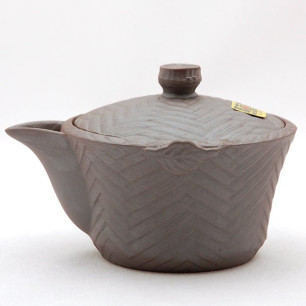
In Japan, sencha is usually prepared in relatively small (approx. 200 -300ml) teapots called kyusu. These are low teapots with a characteristic handle perpendicular to the spout. You will find them in many designs in our store. Sencha cups are also low, often gently flaring towards the top. In Japan, it is said that cups that are light in colour inside allow you to enjoy the emerald colour of the tea.
Brewing instructions
First brewing – 3g of tea per 100ml of water, temperature 70ºC, time 1–1,5 minutes.
Second and third brewing – 70º–80ºC, 0,5 minutes.
Weight: 50g
Best before: 05.2027
Customers who bought this product also bought:


- new


11 other products in the same category:


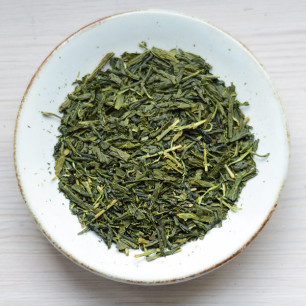
Sencha tea Zairai Asamiya 50g
A unique, artisanal sencha tea from the spring harvest, with an exceptionally fresh flavour and rich aroma.

- new
- new
Shimadori Watanabe Kabusecha Tea 100g
Organic shaded tea from the spring harvest. It comes from the Watanabe family’s tea garden on the lush, rainy island of Yakushima in southern Japan.


Sencha Premium green tea Yamecha 100g
Premium Yamecha Sencha is a high-quality tea from the renowned Hoshino Seicha company in the Yame region. An excellent tea to drink daily, it is refreshing, invigorating and detoxifies the body.


- new
- new
Miumori Sencha Tea Kirishima 100g
A classic sencha tea from a family-run tea garden in Kirishima, in southern Japan. It comes from the first spring harvest, made from the leaves of the local tea bushes (zairai) that have been grown on the same...


Sencha tea Tokusen A 100g
A custom-made tea with a perfectly balanced taste - an elegant balance of delicate umami sweetness with refreshing accents.


Yamadashi aracha tea Asamiya 200g
A rare artisanal tea straight from a tea garden, with a fresh taste and rich aroma.
- new
- new
Kabusecha Tea Asamiya 50g
An exclusive tea from the spring harvest, with a subtle flavour and rich aroma.


Fukamushi Sencha green tea Chirancha 95g
Sencha fukamushi tea is a tea that has its leaves steamed for a longer period of time. It is characteristic for its deep, intense aroma and flavor.
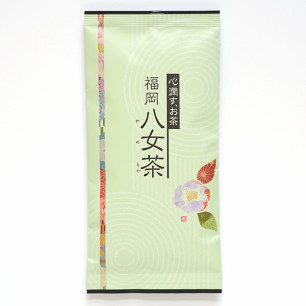

Sencha green tea Yamecha 100g
Sencha is the most popular type of tea in Japan. An excellent tea to drink daily, it is refreshing, invigorating and detoxifies the body.


Sencha Sofu Ujicha Tea 100g
High-quality sencha tea from the Uji region, where tea originated in Japan. Produced from the leaves of the Okumidori cultivar, valued for its exceptional taste and the lush green color of the infusion.


Sencha tea Yamecha 500g
Sencha is the most popular type of tea in Japan. An excellent tea to drink daily, it is refreshing, invigorating and detoxifies the body.


